
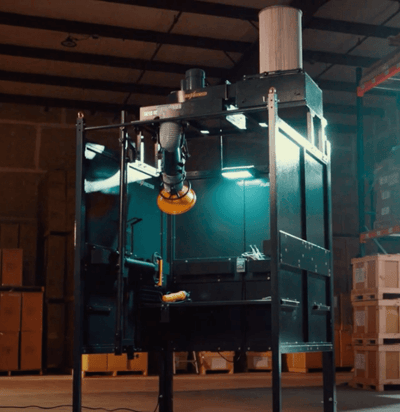
How Do Welding Booths Work? A Technical Guide
Quick answer: A welding booth protects workers by combining three integrated systems — a fire-resistant containment structure (panels and curtains), a ventilation system that captures and removes welding fumes, and safety features like spark barriers and UV shielding. Proper CFM (airflow) sizing and correctly positioned extraction points are what separate a compliant booth from an ineffective one.
wHAT iS A Welding Booth?
Welding booths represent a critical safety investment for any facility where welding operations take place. These engineered environments protect both welders and nearby workers from hazardous fumes, dangerous UV radiation, sparks, and other welding-related risks.
Beyond basic protection, modern welding booths integrate sophisticated ventilation systems and safety features that create an optimal workspace for precise welding operations.
When considering the complexity of welding processes and their associated risks, proper containment and ventilation become paramount. Professional welding booths must address multiple safety concerns simultaneously - from fire prevention and UV protection to fume extraction and proper airflow management.
These systems go beyond simple barriers to create complete safety ecosystems that enhance both worker protection and welding efficiency.
The 3 Core Systems of a Welding Booth
Weld booths function through an integrated system of protective and operational components that work together to create a safe, efficient welding environment. Here's a detailed breakdown of their operation:
How the Containment System Works
The containment system is the physical structure of the booth. It has three main components:
How the Ventilation System Works
Ventilation is what actually removes hazardous fumes from the welder's breathing zone — containment alone doesn't do this. An effective system requires:
- Strategic airflow patterns that pull contaminated air away from the welder, not across their face
- Fume capture zones positioned close to the arc, where fumes are generated
- Extraction system integration points connecting the booth to fume arms, downdraft tables, or central filtration
- Air replacement to avoid negative pressure that pulls in dust or interferes with airflow
How Much CFM Does a Welding Booth Need?
CFM (cubic feet per minute) determines whether a booth actually clears fumes fast enough to protect the welder. Use this formula as a starting point: Required CFM = Booth Volume × Air Changes per Hour × Application Factor
Typical requirements:
| Application | CFM Range |
|---|---|
| Standard welding | 800–1,200 CFM |
| Heavy-duty applications | 1,200–2,000 CFM |
| Multiple station setups | Calculate per booth, then sum |
For multi-station shops, each booth should be sized individually. Undersizing one station to compensate for another creates uneven fume capture across the whole line.
Fume Arm vs. Downdraft Table: Which Integration Fits Your Booth?
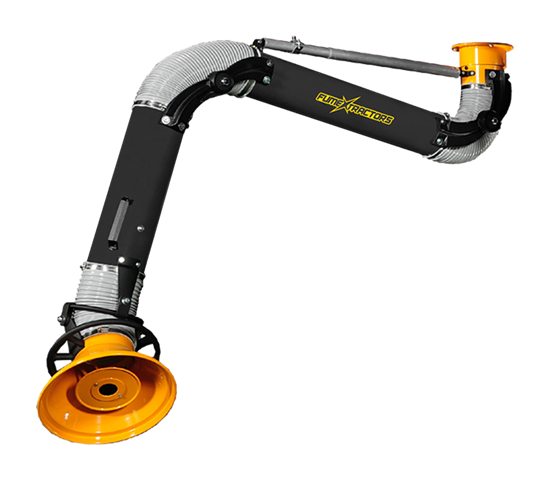
Fume extraction arms work best when welding position varies or parts move around the booth.
|
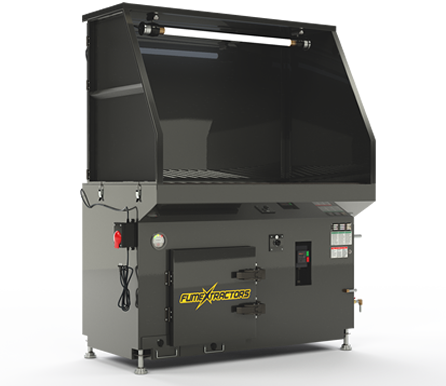
Downdraft tables work best for stationary, table-based welding.
How to Choose A Downdraft Table
|
Choosing a Panel System: Universal vs. Standard vs. Custom
Containment and ventilation explain how a booth works — but booths also come in three different panel systems, and picking the right one depends on how your shop actually changes over time.
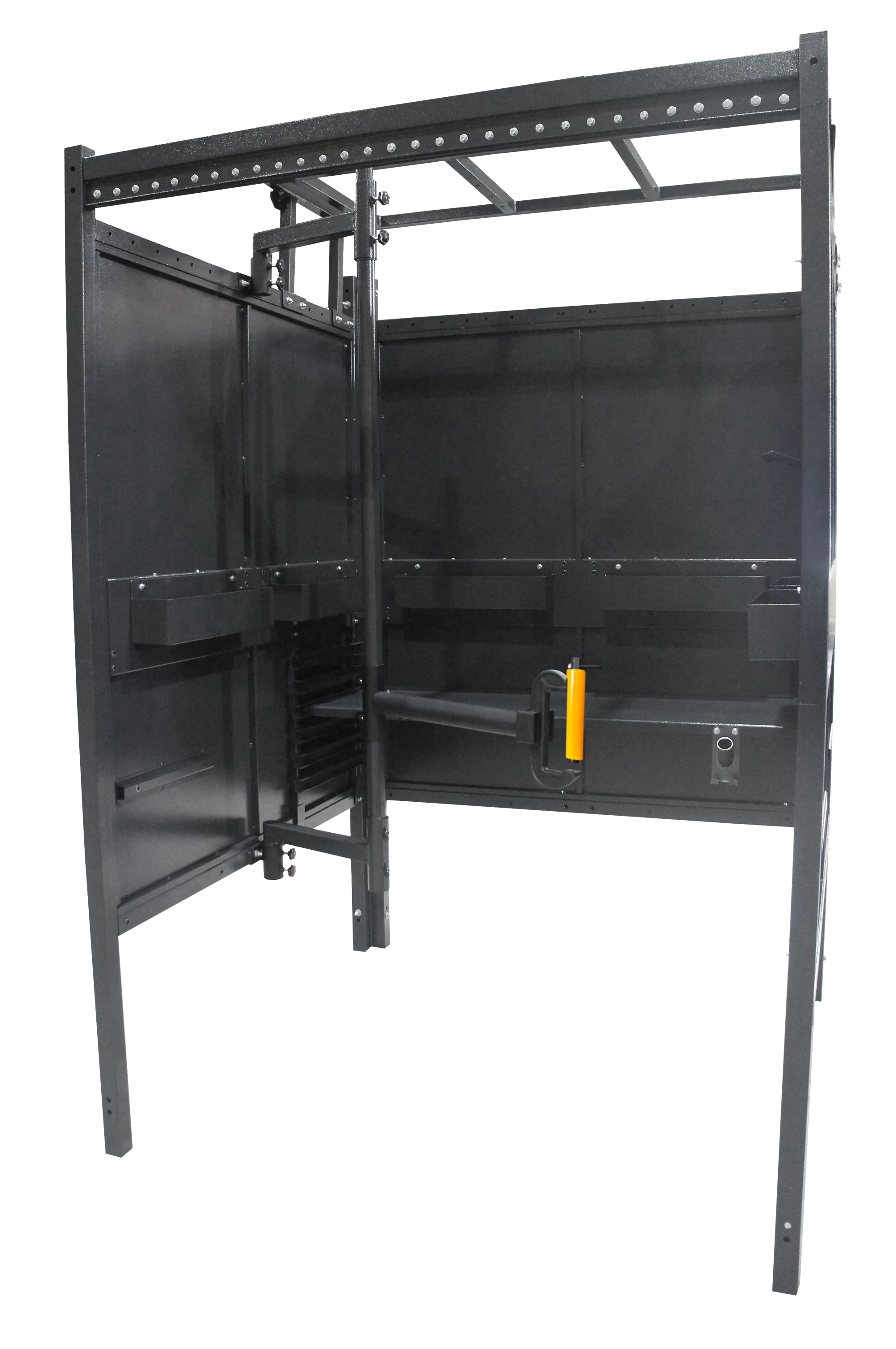
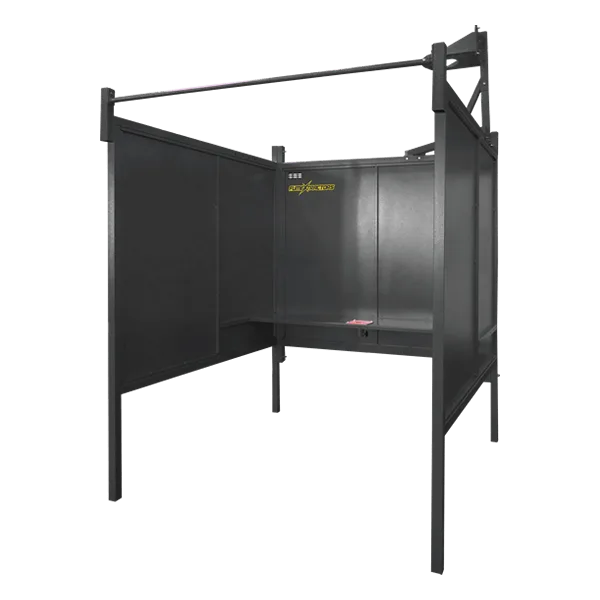
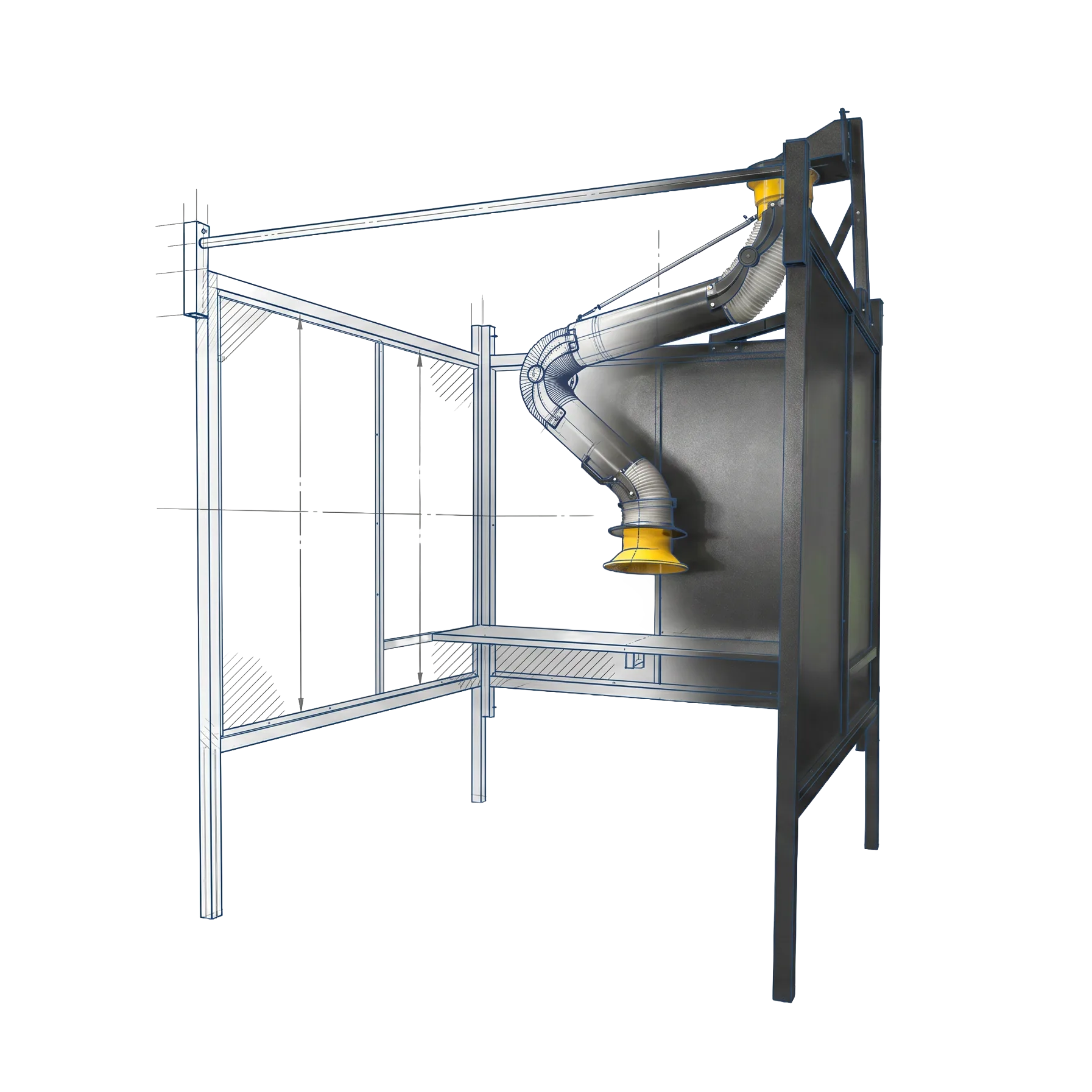
Every tier is built from durable, fire-resistant steel and meets NFPA and OSHA requirements — what changes is how far the system flexes, and what you pay for that flexibility. See the full welding booth lineup.
Welding Booths by Industry
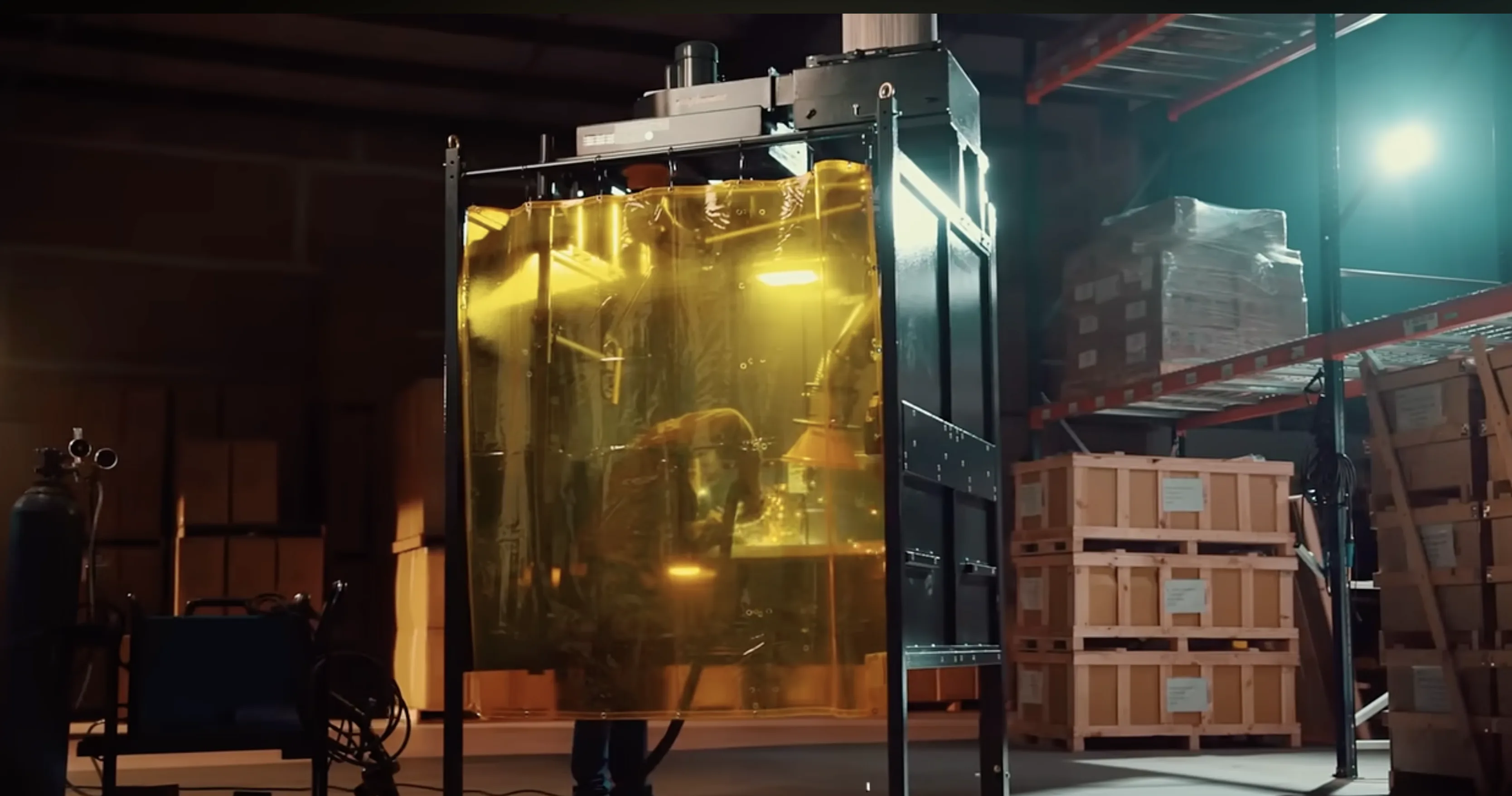
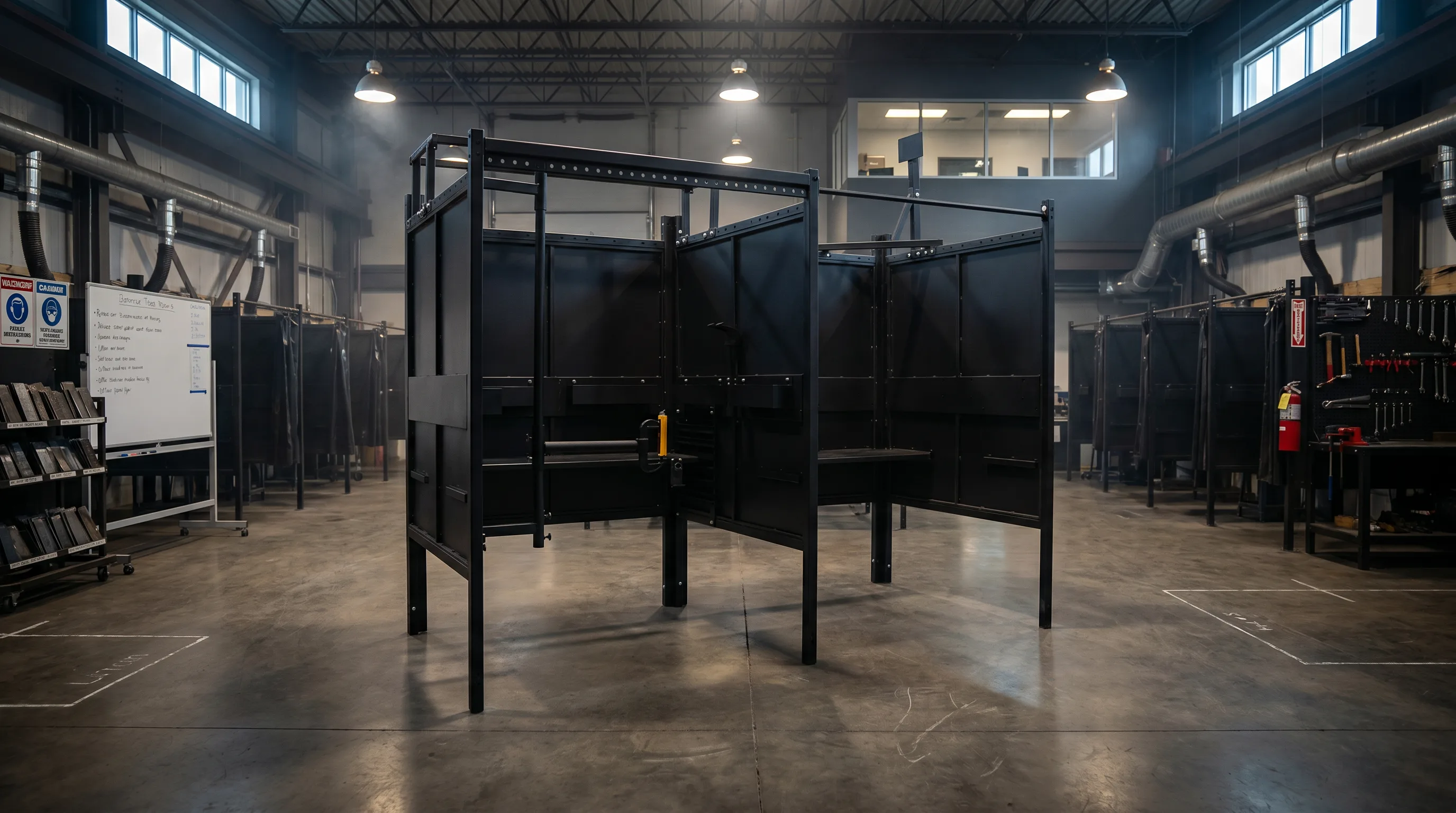
Why Welding Booths Matter for Safety and Productivity
The implementation of welding booths represents a fundamental commitment to workplace safety and operational excellence in any welding facility. These engineered environments serve as the first line of defense against the multiple hazards associated with welding operations, as outlined in OSHA’s welding safety standards, from toxic fumes and UV radiation to spark projection and fire risks.
Through careful integration of containment systems, ventilation controls, and safety features, welding booths create controlled environments that protect both personnel and equipment.
Selecting and configuring the right welding booth system requires careful consideration of numerous factors, including space requirements, ventilation needs, and specific welding processes being performed. Whether implementing single booth solutions for specialized applications or designing multiple booth configurations for larger operations, each component must be carefully selected and integrated to maintain safety standards while maximizing operational efficiency.
The value of properly designed welding booths extends far beyond basic safety compliance. These systems contribute to improved weld quality, increased productivity, and reduced maintenance costs through proper fume and spark containment.
As welding technology continues to advance, the role of weld booths becomes increasingly critical in maintaining safe, efficient, and productive welding operations. Through proper installation, regular maintenance, and consistent monitoring, these essential safety systems provide the foundation for successful welding operations in any professional or educational setting.
FAQs: Welding Booths
What does a welding booth actually protect against?
A welding booth protects against toxic welding fumes, UV radiation, flying sparks, and fire risk by combining fire-resistant containment with active fume extraction.
How do I calculate the CFM I need for a welding booth?
Multiply the booth's volume by the required air changes per hour and an application factor. Standard welding typically needs 800–1,200 CFM, while heavy-duty applications need 1,200–2,000 CFM.
What's the difference between a fume arm and a downdraft table?
A fume arm is a movable extraction point best suited to welding where position or part placement changes. A downdraft table pulls fumes down through a stationary work surface, best suited to fixed, table-based welding.
What materials are welding booth curtains made from?
Welding booth curtains are typically made from 14-mil flame-retardant material designed to block sparks, slag, and UV radiation while maintaining visibility.
Does a welding booth need ventilation, or is containment enough?
Containment alone isn't enough. Curtains and panels block sparks and UV exposure, but only an integrated ventilation system with proper CFM actually removes hazardous fumes from the welder's breathing zone.
Are welding booth requirements different for multi-station shops?
Yes. Each booth in a multi-station setup should have its CFM calculated individually, since undersizing one station to boost another creates uneven fume capture across the shop.
What's the difference between Universal, Standard, and Custom panel systems?
Universal Panel Systems use a bolt-together, reconfigurable design best suited to shops whose layout changes over time. Standard Panel Systems are a fixed 2-panel (side & back) system best for straightforward, budget-conscious layouts. Custom Panel Systems are engineered to exact facility specifications for complex or non-standard designs. All three meet NFPA and OSHA requirements.
You may also like:
• Welding Booths for Educational and Industrial Applications
• What to Know About Weld Booths
• Optimizing Your Welding Booth Layout